

YOUR HOME SOLD GUARANTEED OR WE'LL BUY IT!*





From Boom to Balance: The 2025 Housing Market Transformation
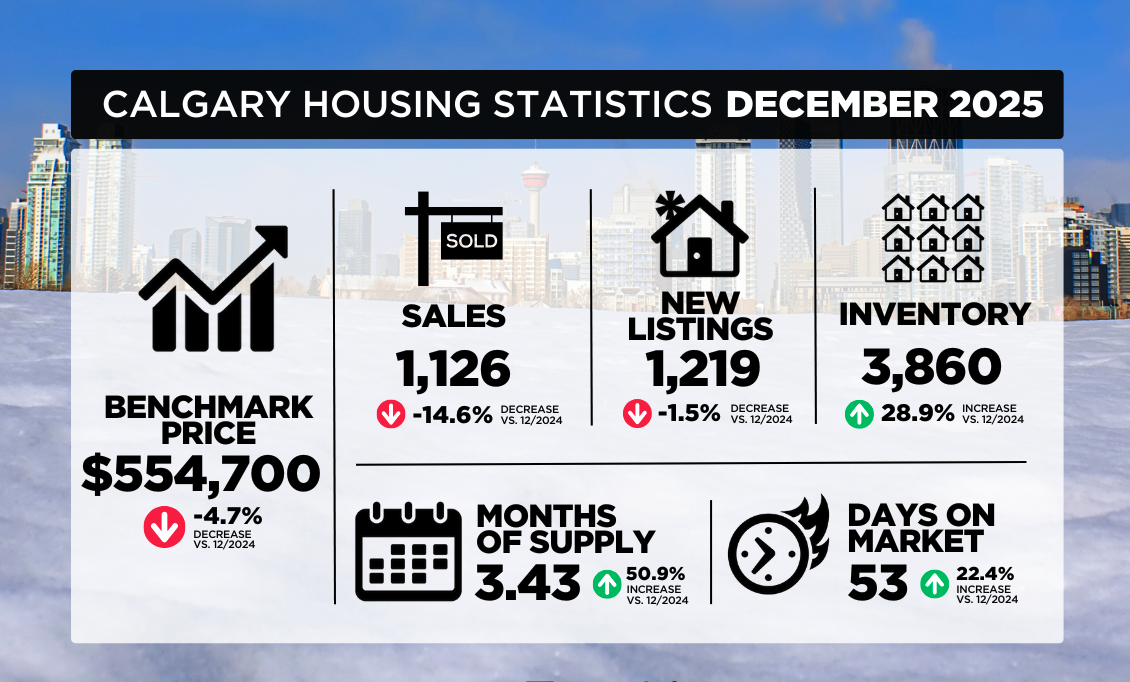
In 2025, the housing market experienced a notable shift after years of strong price growth, largely due to improved supply levels and reduced demand. The number of new listings surged to over 40,000, a 9% increase from the previous year, easing the pressure that had previously favored sellers. Reduced migration and ongoing uncertainty throughout the year helped balance market conditions. As a result, sales fell by 16% to 22,751 units, but this was still in line with long-term trends, indicating that the market was stabilizing after several years of rapid growth.
The rise in inventory played a significant role in this market transition. With more properties available, conditions shifted to favor buyers, particularly in apartment condominiums and row homes, where supply increases put downward pressure on prices. The overall annual average benchmark price for residential properties declined by 2%. However, the price trends varied significantly across property types and locations. Detached homes saw modest price increases of 1%, while apartment-style condos experienced a nearly 3% price drop. The North East district, in particular, saw significant price declines, while the City Centre remained relatively stable.
In the semi-detached market, prices rose by nearly 3% to an average of $685,850, despite a slight 8% drop in sales. Although this segment was smaller, it followed a similar pattern to detached homes. Meanwhile, row homes saw a 17% drop in sales, but with new listings on the rise, the market shifted to a more balanced state by the end of the year. As a result, prices for row homes declined by 2%, with the most significant price drops occurring in the North East and North districts.
The apartment condominium sector faced the largest adjustment, with sales dropping by 28% from 2024. However, demand remained higher than long-term averages due to an increase in available supply, particularly from purpose-built rental apartments. This shift contributed to a more buyer-friendly market in the second half of the year, pushing prices down by 3%. The steepest price declines were seen in the North East, while the West district experienced relative stability.
Overall, the 2025 housing market reflected a transition from a seller’s market to one of more balance, driven by higher supply and tempered demand. This shift led to price adjustments across various property types, with some areas experiencing price growth while others saw declines, particularly in sectors with increased inventory. The market’s balance by the year's end marked a significant change from the tight, high-demand conditions of previous years.