

YOUR HOME SOLD GUARANTEED OR WE'LL BUY IT!*





Canada Is Making Progress on Housing — But Not Nearly Enough
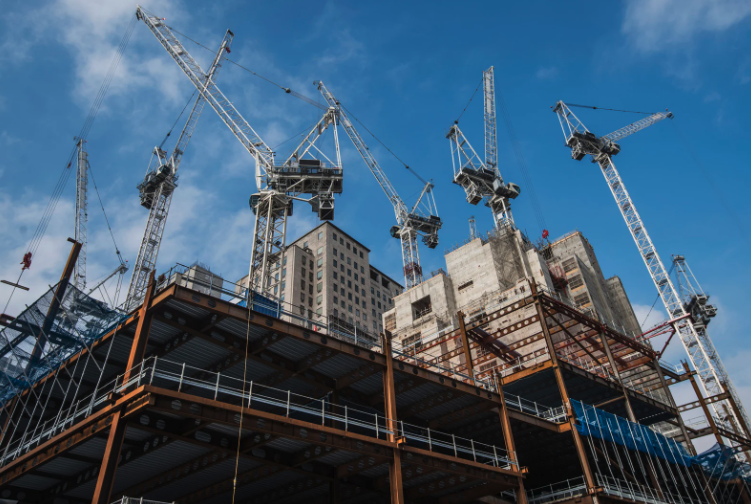
Canada has made modest progress in narrowing its housing supply gap over the past year, but the country still faces a significant shortage of homes. The latest estimates suggest that as many as 4.7 million additional housing units could be needed over the next decade to restore housing affordability to levels seen before the pandemic by 2036.
To meet that goal, between 417,000 and 469,000 new homes would need to be built each year across both ownership and rental markets. This represents a slight improvement from an earlier estimate that called for roughly 430,000 to 480,000 new units annually. While the required construction pace has declined somewhat, the scale of the challenge remains substantial.
Recent improvements in affordability could also be at risk if housing construction slows. Lower population growth has helped reduce some pressure on housing costs, but a weaker construction pace, particularly in the ownership market, could leave Canada unprepared for a future increase in demand. Building too few homes during a softer market could cause the supply shortage to widen again when demand strengthens.
Housing conditions vary significantly across major Canadian markets. The supply gap has narrowed in Toronto and remained relatively stable in Vancouver, while shortages have increased in Montreal and Ottawa. These differences highlight how housing supply and affordability pressures can vary considerably from one region to another.
Calgary has made notable progress, with record levels of housing construction significantly reducing its supply gap. Edmonton remains the only major Canadian market without a housing supply gap. Despite these regional improvements, Canada as a whole still needs a sustained increase in homebuilding over the coming decade to address its housing shortage and improve long-term affordability.